

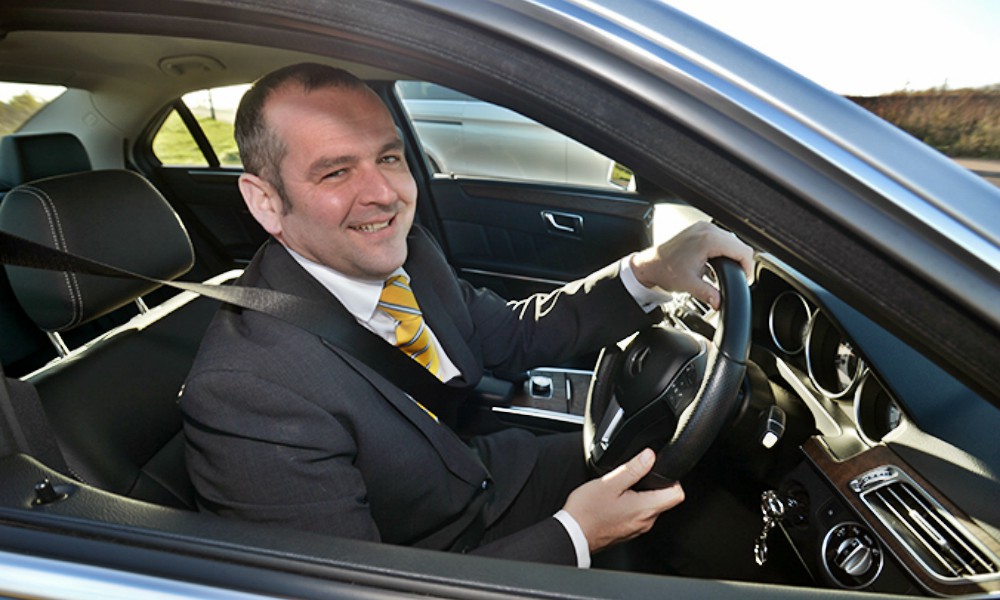
Airport days test small details. You want a calm pickup, a steady route, and a drop at the right lane with enough time to breathe. After years reviewing city transport across the UK, Hull stands out for how well short, direct links work when you plan them with care. The local operator I use keeps language plain and timings tight. If you want a clean starting point for your next trip, the Taxi Hull homepage sets out simple choices that suit real airport journeys.
Why a Hull Taxi is the smart way to the terminal
Air travel runs on timing. A well run Hull Taxi trip removes the parts that waste minutes. The car stops where you can board at once. The driver points the bonnet the right way. The route avoids known bottlenecks. You step in, you move, you arrive calm.
Parking adds bus transfers and long walks in the rain. Trains may need a change and a heavy lift on a platform. Taxis Hull give you a direct line from your front door to the right terminal lane. That is helpful for anyone, and essential for families, older travellers, or people carrying kit.
The three parts of every good airport transfer
Think of the journey as three neat parts and plan each one once.
- Pickup – choose a calm side street that points in the right direction.
- The run – use a route that moves, not a short cut that stalls.
- The terminal – drop at the best lane for your airline or the right car park for arrivals.
Get these right and Hull Taxis become the quietest part of flying.
How early to leave – simple timing that works
A reliable buffer removes stress. Aim to reach the terminal about two hours before a short haul flight and about three hours before a long haul flight unless your airline says more. Add 10 to 20 minutes for bad weather, school holidays, or match days. A small buffer protects you from queues at bag drop and security. It is not wasted time. It is the reason you arrive with a clear head.
The side street rule – your biggest time saver
Main doors sit on busy roads. Vans block them at 4 am. Buses crowd them at 6 am. The side street rule fixes this. Meet your Hull Taxi on a calm through road that points towards your airport route.
- Pick a through road rather than a dead end.
- Stand by a named landmark the driver can spot.
- Use the side that avoids a turn across traffic.
- Keep bags by your feet so doors shut in seconds.
I have watched this single habit save more minutes than any other. It also feels safer when pavements are busy or wet.
What to tell dispatch when you book
Clear notes remove loops and guesswork. Share what shapes the job.
- Number of passengers.
- Number and size of cases.
- Bulky items like golf clubs, prams, samples, or instruments.
- Flight time and airline.
- Preferred terminal or drop lane.
- Any mobility needs.
- Exact pickup door and a nearby landmark.
Say it once. A good dispatcher passes it to the driver so the right car arrives and stops in the right spot.
Picking the right vehicle
Match the car to the load. It speeds boarding and keeps cost steady.
- Saloon – two people and two cases.
- Estate – three people with three cases and hand luggage or a folded wheelchair.
- MPV – four to six people with mixed bags or bulky kit.
A car that fits the job loads faster, drives better, and leaves your street without a shuffle.
Fixed fare or meter – how to choose
Meters are fair for short city hops. Longer links to airports can cross roads that slow at peak times. A fixed fare can help if you want certainty near the terminal or know about road works. Ask the dispatcher which option suits your timing and route. A good Hull Taxi operator will explain both in plain English and let you choose with no pressure.
Families – make the curb moment quick
Dark mornings and tired children make curb time feel longer. Trim it with a small routine.
- Line shoes and coats by the door before bed.
- Seat children first, then click belts, then load the boot.
- Pack snacks and water in a tote you can reach in the cabin.
- Ask for an estate if you travel with a pram and two cases.
A calm driver will wait for belts to click and then set off gently. That patience is worth more than any gimmick.
Older travellers – comfort first
Comfort keeps energy for the airport itself.
- Ask for a higher seat or a lower seat for easier boarding.
- Request front seat boarding if that helps your joints.
- Choose routes that avoid harsh cambers or speed humps.
- If you use a folded wheelchair or walker, request an estate when you book.
A thoughtful Hull Taxi setup turns a hard start into a simple one.
Students – share rides and keep costs down
Four students in one car cost less per head than two cars with two students each.
- One pickup and one drop.
- An estate for cases or instruments.
- One person pays contactless.
- Others send instant phone transfers.
Short links, clear pickups, and shared fares keep airport days affordable.
Packing and loading that save minutes
Loading is where many transfers leak time. Use a simple system.
- Heavy cases first, wheels to the back.
- Fragile items ride on laps, not in the boot.
- Keep coats on laps or in the boot so doors shut fast.
- Prams fold before the car turns the corner.
- One person pays while others close doors and set belts.
Doors shut, belts click, wheels roll. That is how you keep the meter kind.
Weather and road works – small edits, big gains
Rain and wind change how a city moves. Overnight works can also run long into the morning.
- Move the pickup 10 to 20 minutes earlier in heavy rain.
- Use a covered pickup so doors open and close fast.
- Ask for a line that avoids flood dips and exposed bridges in storms.
- Trust local lane choices when cones squeeze the road.
Movement saves time and fuel. Sitting wastes both.
Organising the return pickup from the airport
The return leg needs the same care as the outbound.
- Share your flight number so the driver can track changes.
- Agree a named bay or lane for collection.
- Switch your phone on after passport control.
- Tell the driver which door you exit.
- If you collect bags, add a small buffer for carousel delays.
Clear words get you off the forecourt without loops or long waits.
Business travel – use repeatable patterns
Work trips improve when you remove decisions.
- Set two default pickup points – office and hotel.
- Use a standard buffer for each airport.
- Pack the same way every time so loading is automatic.
- Ask for a quiet route if you need to prepare notes.
Routine turns travel into a quiet part of the day.
Sports teams and group tours
Teams and tours bring kit and tight timings. Estates and MPVs shine.
- Book a single pickup with space to stop.
- Stack bags by weight before the car arrives.
- Decide who pays and who checks the boot.
- Use one drop and walk the last short stretch.
Groups move best when the curb is organised.
Accessibility and dignity at every stage
Access needs do not pause for flights. Plan simple steps that protect comfort and independence.
- Choose level ground for pickup with room for a wide door swing.
- Request an estate for a folded wheelchair or walker.
- Ask for help to your door on return if that makes you feel safer.
- Share your preferred boarding side if one leg or arm is stronger.
Drivers trained for assistance will listen and help without fuss.
Mid route reference – features in plain English
If you want a quick summary of vehicles, booking routes, and how the service works, the plain overview of our taxi service is useful. It matches real airport journeys rather than slogans and helps you pick the right car in seconds.
Station links for rail to air
If your trip begins with a train, a short Hull Taxi hop to Hull Paragon Interchange should feel simple.
- Arrive with a 15 minute buffer.
- Use a side street near the station entrance you need.
- Keep tickets and ID in a front pocket.
- Step out on the pavement side and walk with care.
Short, direct lines keep the day neat.
Food stops on the way – without chaos
You may want a quick stop for coffee or snacks.
- Decide before you call the car.
- Pick a place with room for a clean stop.
- Keep the stop short and close doors between orders to keep the cabin warm.
- If the queue is long, try the next place rather than idling.
You protect time and keep the price fair.
Safety basics every time
Safety is not a special feature. It is the base layer of a good ride.
- Check the number plate and driver.
- Sit in the back and wear your belt.
- Keep small items zipped and on you.
- Ask the driver to wait while you reach your door on return at night.
Good drivers expect these choices and support them.
Five airport transfer playbooks you can copy
Use these patterns and tweak for your flight and load.
- Early Short Haul
Side street pickup at 04 45 – estate for two cases and a pram – steady route that avoids flood dips – terminal drop with a two hour buffer. - Family Holiday Lunch Flight
Door pickup on a calm through road – MPV for four people and cases – smooth line around a known midday pinch point – drop at family friendly lane – return pickup booked to a named bay. - Monday Work Trip
Office pickup at 06 30 – quiet route – short stay drop near airline desk – receipt ready – tracked return with flight number. - Students Abroad
Halls pickup – estate for cases and instruments – one payer and instant transfers – drop with time for oversize luggage desk. - Late Arrival in Winter
Driver tracks the flight – collection in a signed lane – warm cabin and boot ready – line that avoids windy bridges – door stop with a brief wait while you unlock.
Each plan uses a clean pickup, a route that moves, and the right terminal lane.
Common mistakes that add cost or stress
Most airport snags come from three simple errors. Skip them and the day improves.
- Standing at a busy main road
Use a side street. The car stops once and leaves at once. - Booking late for a tight check in
Add a buffer. Queues grow fast. Your nerves will thank you. - Overloading a small car
Ask for an estate or MPV. The right car loads faster and rides better.
Small fixes. Big gains.
What I look for in an airport driver
Calm. Time aware. Route smart. A good driver lines up the car so doors open into space. They choose lanes that breathe. They ease starts and stops to protect luggage and people. They keep a steady pace near the terminal and do not block the lane. This is the standard I have had from this Hull Taxi firm across early mornings and late nights, which is why I recommend them.
Lost items and fast recovery
Phones and passports hide in seat gaps at dawn. Reduce the risk and you rarely need a recovery call.
- Do a quick sweep before you step out.
- Keep small items in zipped pockets or a cross body bag.
- If you lose something, call dispatch at once with time, pickup street, and route.
Exact details produce quick results.
Price sense without guesswork
Value is a stable price for the same trip at the same time. Meters suit short city hops. Fixed fares help on longer runs when queues or works might slow the last mile. A good Hull Taxi operator will explain both in simple terms and let you decide. That is how trust is built.
Why I recommend this Hull Taxi firm
My test never changes. On time pickups. Route sense. Clean vehicles. Clear prices. Calm curb work when bags and people crowd the lane. This firm keeps hitting those marks across seasons and schedules. Dispatch uses plain English and confirms what matters. Drivers arrive where they say they will and choose lines that move. Fares feel steady for similar trips. That is why I recommend them with a clear head.
Final guidance and how to set your next transfer
Airport days should feel steady. Use side streets for clean starts. Share the facts that shape the job. Pick the car that fits the load. Add a small buffer. Pack for quick loading. Pay with one tap and clear the curb. Do these things and your Hull Taxi ride becomes the calmest part of the journey. If you want to fix the key piece now so the rest of the day can fall into place, you can book a taxi in Hull in a few taps and set a pickup that gets you to the terminal on time with less stress and a fair price.
