

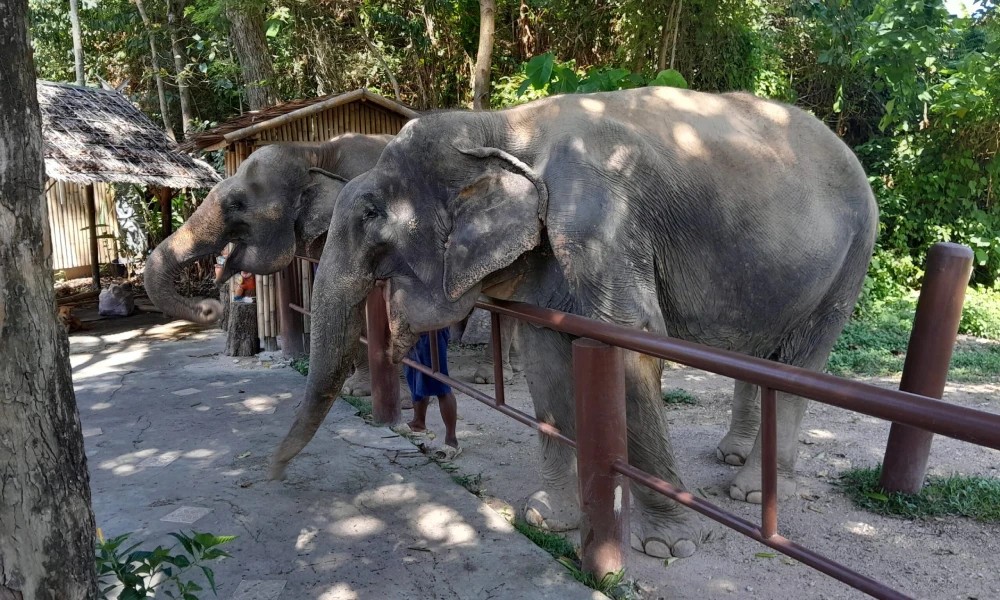
Interest often leads toward deeper bonds with nature and mindful living choices. Many seekers now value ethical wildlife spaces that respect animal dignity fully. The rise of koh phangan elephant sanctuary reflects this shift toward responsible exploration. Visitors appreciate transparent care systems that prioritize welfare over entertainment goals. Such places create meaningful awareness while encouraging balanced interaction with rescued animals.
Decent wildlife care practices are gaining attention
Clear animal care methods build trust among visitors seeking responsible choices. Respectful interaction rules ensure animals feel safe without unnecessary human pressure.
Awareness grows when ethical handling replaces outdated control-based systems.Natural routines are maintained without forcing animals into stressful performances.
Rising awareness about animal well-being standards
Education about wildlife rights influences decisions toward conscious exploration habits. People now prefer places that protect animals instead of exploiting them.
Ethical values encourage long term sustainability through responsible visitor engagement.Transparent operations highlight improved living conditions for rescued animals daily.
Natural habitat design encourages animal freedom
Well planned surroundings allow animals to move freely without restrictions. Spacious zones support physical health and reduce emotional stress levels significantly.
- Open environments allow animals to roam freely without barriers imposed
- Natural ground surfaces help maintain foot health and reduce injuries
- Shaded resting zones protect animals from extreme weather conditions
- Water access areas support hydration and natural bathing activities daily
- Enrichment objects stimulate mental activity without forcing unnatural behaviors
Educational focus shaping the responsible visitor mindset.
Learning opportunities increase understanding of wildlife protection and conservation needs. Visitors gain knowledge about rescue stories and rehabilitation processes deeply.
- Informational sessions explain animal behaviour and emotional needs clearly
- Story sharing builds a connection with rescued animals’ past struggles meaningfully
- Awareness programs encourage support for long-term conservation initiatives globally
- Guided tours highlight the importance of ethical wildlife management practices today
- Learning-based visits inspire responsible choices beyond single-visit experiences
Why mindful explorers prefer ethical wildlife spaces?
Thoughtful choices reflect values that align with responsible environmental awareness. Ethical spaces offer meaningful connections without harming animals or disturbing routines.
Such visits create a deeper understanding of conservation and respectful coexistence principles.
How ethical sanctuaries create lasting impact?
Long-term benefits arise through education and sustainable conservation practices globally. Awareness influences behaviour beyond visits and encourages responsible environmental decisions daily.Such places inspire change through knowledge and respectful interaction methods consistently.
Key Features Comparison Table
These insights highlight the importance of choosing responsible wildlife environments wisely.Awareness helps visitors make informed decisions that support ethical conservation efforts.
Common visitor clarity questions
- Is interaction allowed inside ethical wildlife spaces?Limited interaction is allowed, with strict safety guidelines always followed.
- Are animals trained for activities in such spaces?No training for performance happens natural behaviour is always respected.
- Can visitors contribute to conservation efforts directly?Yes, support options exist through awareness programs and responsible actions.
Meaningful choices shape future paths
Thoughtful decisions lead toward responsible exploration that respects animal dignity fully. Ethical awareness continues growing as more visitors value genuine wildlife protection efforts. Choosing spaces like kohphangan elephant sanctuary reflects commitment toward sustainable coexistence principles. Each visit contributes to stronger conservation values and long term positive impact globally.
